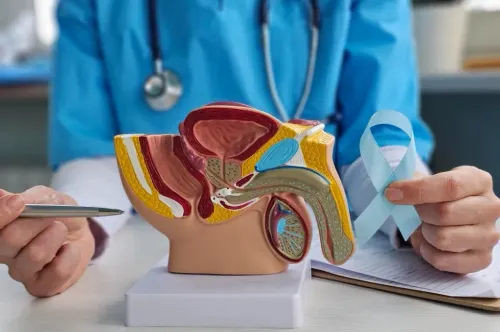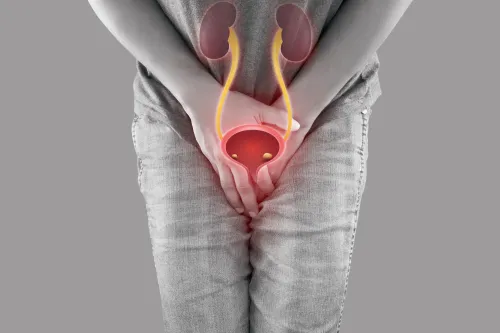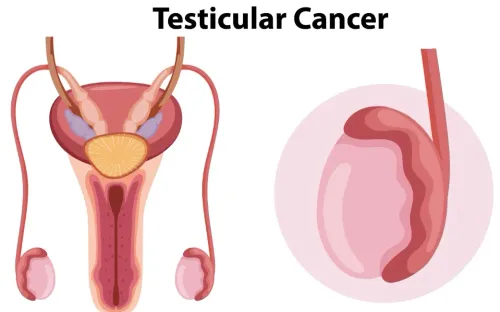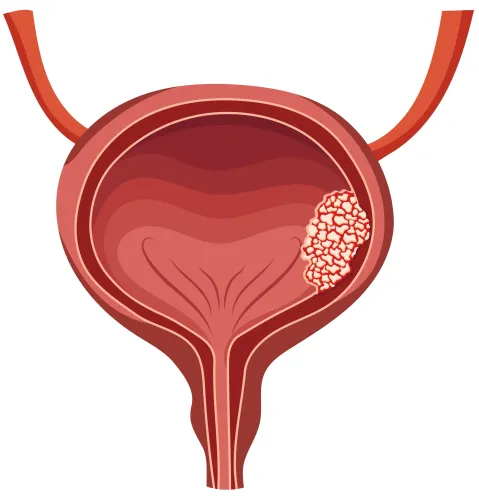
Erection problems can result from blood-vessel disease, hormones, medicines, nerve problems, emotional strain, or several factors at once. You will learn how to distinguish an occasional difficulty from a persistent problem, what an assessment involves, which treatments exist, and when symptoms require urgent medical attention.
Key takeaways
- Seek assessment when erection problems recur over several weeks or encounters.
- Review medicines, health conditions, alcohol use, stress and relationship concerns.
- A urologist may use your history, examination, blood tests and other targeted tests.
- Never combine erectile dysfunction medicines with nitrate heart medicines.
When Occasional Erection Difficulty Becomes a Problem
One unsuccessful attempt does not mean you have a medical disorder. Occasional erection difficulty can follow poor sleep, stress, illness, alcohol or relationship tension and often resolves when the trigger passes. Arrange a medical assessment if the problem recurs across several weeks or sexual encounters, causes distress, or gradually becomes more frequent or severe.
Watch for these ED symptoms:
- Difficulty getting an erection, even with sexual stimulation
- Losing the erection before or during sex
- Erections that are not firm enough for penetration or do not last long enough
- Fewer or absent morning erections
- Reduced sexual desire alongside erection changes
Morning erections provide a useful clue, but they do not prove that the cause is psychological or physical. You can have an erection during masturbation or on waking and still have vascular, nerve-related or medication-related erectile dysfunction. Mixed causes are common.
Seek assessment sooner if erection difficulty begins suddenly and remains present, follows pelvic surgery or prostate treatment, or occurs with reduced sexual desire, penile pain or curvature, urinary changes, or concerns about blood pressure, diabetes or heart health.
Persistent erectile dysfunction can be an early sign of an underlying condition, so do not wait indefinitely or assume low testosterone from fatigue alone. A clinician can assess your history, medicines, cardiovascular risk and morning testosterone when appropriate.
Physical, Medication and Psychological Causes to Check
Diabetes, high blood pressure and high cholesterol can damage blood vessels that supply the penis. Obesity, smoking and cardiovascular disease also reduce blood flow; erectile dysfunction can appear before cardiovascular disease, so assess cardiovascular disease after erectile dysfunction develops, especially with other risk factors.
Check for these contributors:
- Low testosterone, thyroid disease, nerve damage and pelvic injury can reduce erection quality or sexual desire.
- Pelvic surgery, prostate treatment, spinal disease and penile curvature can interfere with blood flow, sensation or penetration.
- Antidepressants, some blood-pressure medicines, finasteride, opioids and other drugs can affect erections. Do not stop a prescribed medicine without medical advice; ask whether a safer alternative exists.
- Heavy alcohol use and recreational drugs can impair erections during and after use.
- Performance anxiety, depression, unresolved trauma, relationship conflict and fear of disappointing a partner can interrupt arousal.
- Poor sleep, shift work and untreated sleep apnoea can lower energy, testosterone and sexual interest.
These causes often overlap. A person with diabetes might also take a medication that affects erections and feel anxious after repeated difficulties. Morning or masturbation erections provide clues, but a normal erection in one setting does not rule out a physical cause.
A clinician should review your medical, medication, sexual and psychosocial history rather than label the problem “psychological” without checking vascular, hormonal and medication-related factors.
What a Urologist Asks, Examines and Tests
Expect a detailed urologist evaluation rather than a single test. The clinician will review your erection history, health conditions, medicines, sexual concerns and emotional circumstances, then choose examinations and blood tests based on your findings.
- Your erection history: difficulty getting firm, losing rigidity during sex, shorter or less-firm erections, reduced morning erections, and how long the change has lasted.
- Sexual and relationship factors: libido, ejaculation, orgasm, performance anxiety, depression, stress, sleep quality and relationship conflict.
- Related symptoms and risks: urinary symptoms, pelvic injury or surgery, prostate treatment, diabetes, blood-pressure problems, high cholesterol, smoking and family cardiovascular history.
The physical examination may include blood pressure, body weight or waist measurement, pulses, genital inspection, testicular examination and assessment of penile curvature. The clinician may also check nerve function and signs of hormone or vascular problems.
Dr Zaffar Sayed Urologist can use urinary symptoms, prior prostate treatment and examination findings to decide whether a separate urinary or penile condition needs investigation.
Morning total testosterone is a key blood test, but one result does not establish deficiency. If it is low, repeat morning testing and further hormone evaluation help confirm the cause; testosterone is not a general ED treatment when levels are normal.
HbA1c or fasting glucose and a lipid profile are selected according to your risk factors, because ED can signal cardiovascular disease. Share every prescription, supplement and recreational drug before testing.
Related service
Erectile Dysfunction (ED) is the inability of a man to achieve or maintain an erection sufficient for his or his partners sexual needs. View service → |
Treatment Options and Their Main Trade-Offs
PDE5 inhibitors are usually the first medical option: sildenafil, tadalafil, vardenafil and avanafil improve blood flow during sexual stimulation but do not create an automatic erection or increase desire. Sildenafil acts for a shorter period; tadalafil lasts longer, which can offer more timing flexibility but also prolong side effects.
| Option | Main benefit | Main trade-off |
|---|---|---|
| PDE5 inhibitors | Convenient oral treatment for many men | Headache, flushing, indigestion and blood-pressure effects; never combine with nitrates or riociguat |
| Intracavernosal injections | High effectiveness without relying on tablet absorption | Requires dose training; pain, fibrosis and priapism are possible |
| Testosterone treatment | May improve sexual symptoms when deficiency is confirmed | Not appropriate with normal levels; requires repeated morning testing and medical monitoring |
| Penile prosthesis | Reliable mechanically induced erections after other options fail | Surgery brings infection and mechanical-failure risks; removal is difficult because erectile tissue is altered |
Injection therapy needs specific instruction because an erection lasting four hours or longer is priapism and requires emergency treatment. A vacuum erection device offers a non-drug alternative, but the erection can feel less natural and the constriction ring must not stay on beyond the instructed time.
Testosterone treatment is considered only when symptoms accompany consistently low morning testosterone; fatigue or erection difficulty alone does not prove deficiency. Avoid over-the-counter sexual-enhancement products: regulators have found undeclared PDE5-like drugs in them, creating particular danger with nitrates and interacting medicines. A penile prosthesis is generally reserved for treatments that are ineffective, unacceptable or contraindicated.
Lifestyle Changes, Partner Support and Urgent Warning Signs
Regular aerobic exercise, weight reduction when appropriate, smoking cessation and moderate alcohol intake support erectile function and cardiovascular health. Improve blood-pressure and diabetes control with your clinician, and address poor sleep, depression or anxiety rather than treating these factors as separate from sexual health.
- Aim for regular walking, cycling or similar aerobic activity, building toward 150 minutes weekly if your health allows.
- Take prescribed medicines consistently and ask whether any drug could be affecting erections; do not stop it yourself.
- Use partner communication to reduce pressure, discuss timing and pleasure, and avoid treating intercourse as a pass-or-fail test.
- If performance anxiety, trauma, depression or relationship conflict is involved, consider cognitive-behavioral therapy, sex therapy or couples therapy alongside medical treatment.
- Treat lifestyle changes as additions to ED treatment, not guaranteed replacements for it.
An erection lasting four hours or longer is priapism and requires emergency care, especially after an intracavernosal injection. Do not wait for it to resolve or take another dose; prolonged rigidity can permanently damage erectile tissue. Seek urgent assessment for severe penile pain, a significant injury with swelling or deformity, or sudden inability to urinate.
Contact a clinician promptly for rapidly worsening symptoms or new ED with chest pain, breathlessness or exertional pressure. Do not assume anxiety is the sole cause: vascular, hormonal, neurological and medication-related factors can coexist.
Frequently asked questions
When does occasional erection difficulty become a problem?
Arrange a medical assessment when erection difficulty recurs across several weeks or sexual encounters, causes distress, or becomes more frequent or severe.
What can cause erectile dysfunction?
Possible causes include poor sleep, illness, alcohol, stress, relationship tension, medical conditions and side effects from medicines.
What happens during an erectile dysfunction assessment?
A urologist asks about erections, sexual health, medicines and medical history, performs an examination, and orders targeted tests when needed.
What treatments are available for erectile dysfunction?
Treatment can include lifestyle changes, counselling or sex therapy, prescription medicines, vacuum devices, injections and surgery, depending on the cause and your health.