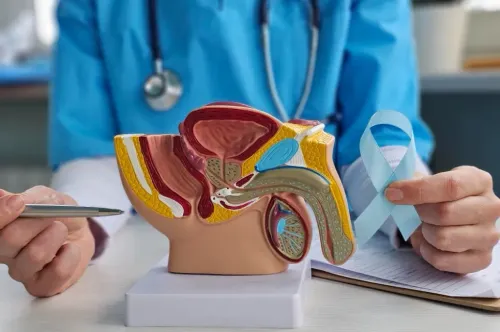
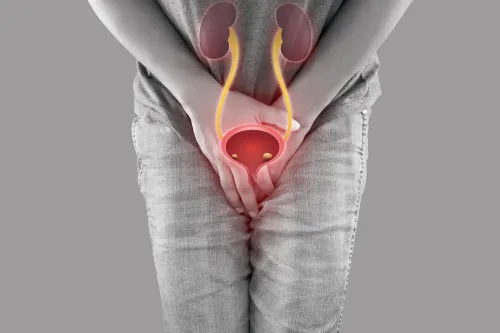
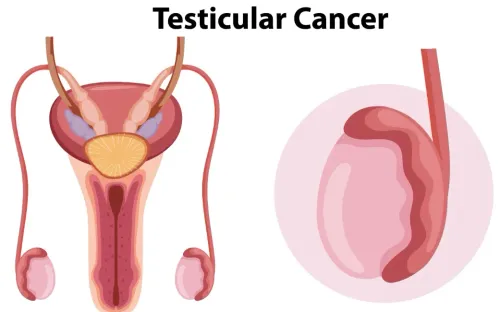
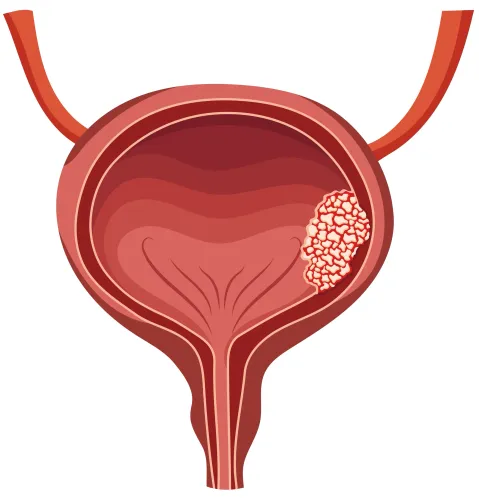
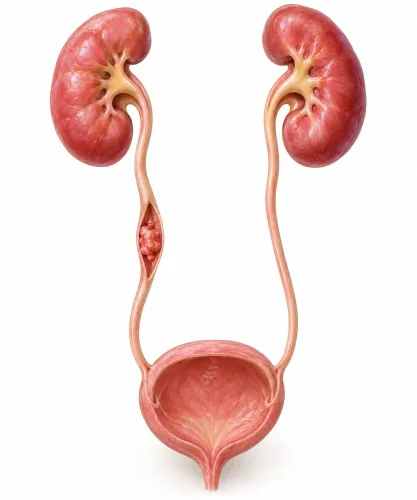
Persistent pain in the lower abdomen, pelvis, or genital region can affect much more than physical comfort. It may interfere with work, sleep, exercise, relationships, and emotional well-being. One condition that often goes undiagnosed for months is Chronic Pelvic Pain Syndrome (CPPS). Because its symptoms can resemble urinary infections or prostate problems, many patients receive repeated treatments without lasting relief.
For individuals living in Bombay Central, understanding Chronic Pelvic Pain Syndrome and seeking an expert evaluation can help identify the actual cause of symptoms and guide appropriate long-term management.
What Is Chronic Pelvic Pain Syndrome?
Chronic Pelvic Pain Syndrome is a long-lasting condition characterised by pain or discomfort in the pelvic region that persists for at least three months without evidence of an active bacterial infection.
Unlike a typical urinary tract infection, CPPS is often linked to a combination of muscle, nerve, inflammatory, and urinary factors. The condition primarily affects men and is one of the most common reasons for chronic pelvic discomfort seen by urologists.
Although it is sometimes associated with chronic prostatitis, not every patient with CPPS has inflammation or infection of the prostate.
Common Symptoms of Chronic Pelvic Pain Syndrome
Symptoms vary widely from one person to another and may fluctuate over time.
Some of the most frequently reported symptoms include:
- Persistent pain in the pelvis or lower abdomen
- Pain between the scrotum and anus
- Discomfort in the groin
- Pain during or after ejaculation
- Burning or discomfort while passing urine
- Frequent urge to urinate
- Difficulty emptying the bladder completely
- Lower back discomfort
- Pain that worsens after prolonged sitting
Some patients experience mild symptoms that come and go, while others find that the condition significantly affects their daily routine.
What Causes Chronic Pelvic Pain Syndrome?
The exact cause is not always clear, but researchers believe several factors may contribute.
Possible causes include:
- Pelvic floor muscle dysfunction
- Nerve irritation
- Previous urinary infections
- Inflammation of the prostate
- Stress and anxiety
- Immune system abnormalities
- Previous pelvic injury
- Bladder dysfunction
In many patients, more than one contributing factor is present, making specialist evaluation particularly important.
Why CPPS Is Often Misdiagnosed
Because the symptoms overlap with several other urological conditions, Chronic Pelvic Pain Syndrome can be mistaken for:
- Urinary tract infections
- Enlarged prostate
- Kidney stones
- Bladder disorders
- Sexually transmitted infections
- Prostate inflammation
Treating the wrong condition may temporarily reduce symptoms but often fails to provide lasting relief.
How Is Chronic Pelvic Pain Syndrome Diagnosed?
There is no single laboratory test that confirms CPPS.
Diagnosis usually involves ruling out other medical conditions through a structured evaluation.
Your urologist may recommend:
- Detailed medical history
- Physical examination
- Urine analysis
- Urine culture
- Blood investigations when required
- Ultrasound of the urinary tract
- Prostate evaluation
- Additional imaging or specialised tests in selected patients
The goal is to identify potential contributing factors while excluding infections, stones, or structural abnormalities.
Treatment Requires an Individualised Approach
Because CPPS has multiple possible causes, treatment usually combines several strategies rather than relying on one medication.
Lifestyle Modifications
Patients are often advised to:
- Stay physically active
- Avoid prolonged sitting whenever possible
- Maintain adequate hydration
- Reduce excessive caffeine intake
- Manage stress effectively
These changes may help reduce symptom flare-ups.
Medication
Depending on the clinical findings, medications may be prescribed to relieve pain, improve urinary symptoms, or reduce muscle tension.
Pelvic Floor Physiotherapy
For patients with pelvic muscle dysfunction, specialised physiotherapy can improve muscle coordination and reduce chronic discomfort.
Managing Associated Conditions
If bladder dysfunction, prostate enlargement, or another urinary condition is contributing to symptoms, treating the underlying problem becomes an important part of recovery.
When Should You See a Urologist?
Persistent pelvic discomfort should always be evaluated, particularly if it is accompanied by urinary symptoms.
Consult a specialist if you experience:
- Pelvic pain lasting longer than three months
- Frequent or painful urination
- Pain during ejaculation
- Groin discomfort without obvious injury
- Symptoms that continue despite previous treatment
- Recurrent episodes affecting daily life
Early assessment helps avoid unnecessary treatments and improves the chances of long-term symptom control.
Why Specialist Care Matters
Managing Chronic Pelvic Pain Syndrome requires careful assessment because every patient experiences the condition differently. A personalised treatment plan is often more effective than repeatedly prescribing antibiotics without identifying the underlying issue.
Dr. Zaffar Sayed Urologist evaluates patients with chronic pelvic pain through a comprehensive clinical approach that considers urinary function, pelvic health, and possible contributing medical conditions. Individualised care helps patients receive targeted treatment based on their specific symptoms and diagnostic findings.
Moving Towards Better Pelvic Health
Chronic Pelvic Pain Syndrome can be physically and emotionally exhausting, but it is a condition that can often be managed successfully with the right diagnosis and treatment strategy. Understanding the source of the pain is the first step toward improving comfort and restoring normal daily activities.
For individuals experiencing persistent pelvic discomfort in Bombay Central, consulting an experienced urologist provides access to thorough evaluation, evidence-based treatment, and ongoing care focused on improving urinary health and overall quality of life.
Keywords