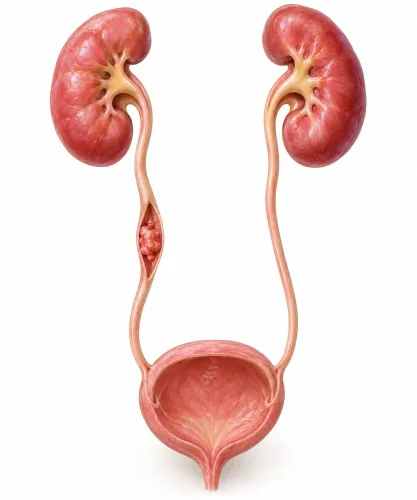
Needing to visit the washroom more often than usual can be frustrating, especially when it begins to interfere with work, travel, sleep, or social activities. While occasional urinary urgency is normal after drinking large amounts of fluids, frequent and sudden urges to urinate may indicate an overactive bladder (OAB). This common urological condition affects both men and women and can significantly impact daily life if left untreated.
For people living in Mazgaon, understanding the symptoms of an overactive bladder and seeking timely medical evaluation can help restore comfort and confidence. Many individuals silently adapt to the problem, believing it is a normal part of ageing, but effective treatment options are available.
What Is an Overactive Bladder?
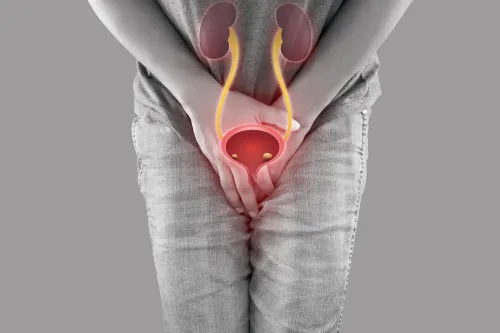
An overactive bladder occurs when the bladder muscles contract involuntarily, creating a sudden and difficult-to-control urge to urinate. These contractions may happen even when the bladder is not completely full.
An overactive bladder is a medical condition—not simply a habit of drinking too much water or using the washroom frequently. It can affect adults of all ages, although the risk increases with advancing age and certain medical conditions.
Common Symptoms of an Overactive Bladder
The symptoms can vary from person to person, but the most common signs include:
- A sudden, strong urge to urinate that is difficult to postpone
- Frequent urination during the day
- Waking up multiple times at night to pass urine (nocturia)
- Leakage of urine before reaching the toilet in some individuals
- Feeling that bladder control is becoming increasingly difficult
These symptoms can interfere with sleep, work productivity, exercise, travel, and overall quality of life.
What Causes an Overactive Bladder?
Several factors can contribute to bladder overactivity. In some cases, the exact cause may not be identified, but a thorough medical assessment often helps uncover contributing conditions.
Possible causes include:
- Age-related changes in bladder function
- Neurological disorders affecting bladder control
- Diabetes
- Urinary tract infections
- Bladder stones
- Enlarged prostate in men
- Certain medications
- Excessive caffeine or alcohol intake
- Obesity
- Previous pelvic surgery in selected cases
Because many of these conditions require different treatments, professional diagnosis is essential.
Is It the Same as a Urinary Tract Infection?
Many people mistake an overactive bladder for a urinary tract infection (UTI), but the two conditions are different.
A UTI is caused by bacterial infection and is often associated with burning during urination, fever, cloudy urine, or pelvic discomfort. In contrast, an overactive bladder is primarily related to abnormal bladder muscle activity and does not always involve infection.
Since symptoms can overlap, your doctor may recommend urine tests to rule out infection before confirming the diagnosis.
How Is an Overactive Bladder Diagnosed?
Diagnosis begins with understanding your symptoms and medical history.
Your specialist may recommend:
- A detailed discussion about urinary habits
- Physical examination
- Urine analysis to exclude infection
- Bladder diary to monitor fluid intake and urination patterns
- Ultrasound or other imaging studies when required
- Urodynamic testing in selected patients with complex symptoms
These evaluations help determine whether the symptoms are due to an overactive bladder or another underlying urological condition.
Treatment Options That Can Help
Treatment is tailored to the severity of symptoms and the underlying cause.
Bladder Training
Bladder training involves gradually increasing the time between bathroom visits to improve bladder capacity and control. This technique often provides significant improvement when practiced consistently.
Lifestyle Modifications
Simple daily changes may reduce bladder irritation and improve symptoms.
These include:
- Limiting excessive caffeine and carbonated beverages
- Managing fluid intake appropriately
- Maintaining a healthy body weight
- Avoiding smoking
- Treating constipation if present
Pelvic Floor Exercises
Strengthening the pelvic floor muscles can improve bladder control and reduce episodes of urgency or leakage.
Medications
When lifestyle measures alone are not sufficient, medications may help relax the bladder muscles and reduce urinary urgency. These medicines should always be prescribed after proper evaluation.
Advanced Treatment Options
Patients who continue to experience severe symptoms despite standard treatment may benefit from specialized therapies recommended by a urologist based on individual clinical findings.
When Should You See a Urologist?
Medical evaluation is recommended if:
- Frequent urination affects daily activities.
- You wake up repeatedly at night to urinate.
- Urinary urgency causes embarrassment or anxiety.
- Leakage occurs before reaching the toilet.
- Symptoms continue despite lifestyle changes.
- Blood appears in the urine or pain accompanies urination.
Early diagnosis can prevent unnecessary discomfort and identify other urinary tract conditions that may require treatment.
The Importance of Personalised Care
An overactive bladder is not managed with a single treatment that works for everyone. Factors such as age, existing medical conditions, medications, and bladder function all influence the treatment plan.
Dr. Zaffar Sayed Urologist evaluates patients with persistent urinary symptoms using a comprehensive approach to determine the underlying cause before recommending evidence-based treatment. Individualised care helps improve symptom control while supporting long-term bladder health.
Regaining Confidence in Everyday Life
Living with an overactive bladder can make even routine activities feel challenging, but effective management is possible with timely medical attention. The earlier the condition is assessed, the greater the opportunity to improve bladder control and overall quality of life.
For individuals experiencing persistent urinary urgency or frequent urination in Mazgaon, consulting an experienced urologist can provide clarity, accurate diagnosis, and a personalised treatment plan that addresses both the symptoms and their underlying cause.
Keywords