Frequent urination becomes more concerning when you feel a sudden urge that is difficult to defer, wake repeatedly at night, or leak before reaching the toilet. You will learn how to separate possible overactive bladder from fluid habits, infection, diabetes and urinary blockage, and how clinicians decide whether testing or treatment is appropriate.
Key takeaways
- Urgency, frequency and nighttime urination together fit the OAB pattern.
- Burning, blood, fever or pain point to causes beyond OAB.
- A bladder diary helps your clinician compare timing, fluids and symptoms.
- Treatment can include bladder training, pelvic-floor therapy and medicines.
When frequent urination fits the pattern of overactive bladder
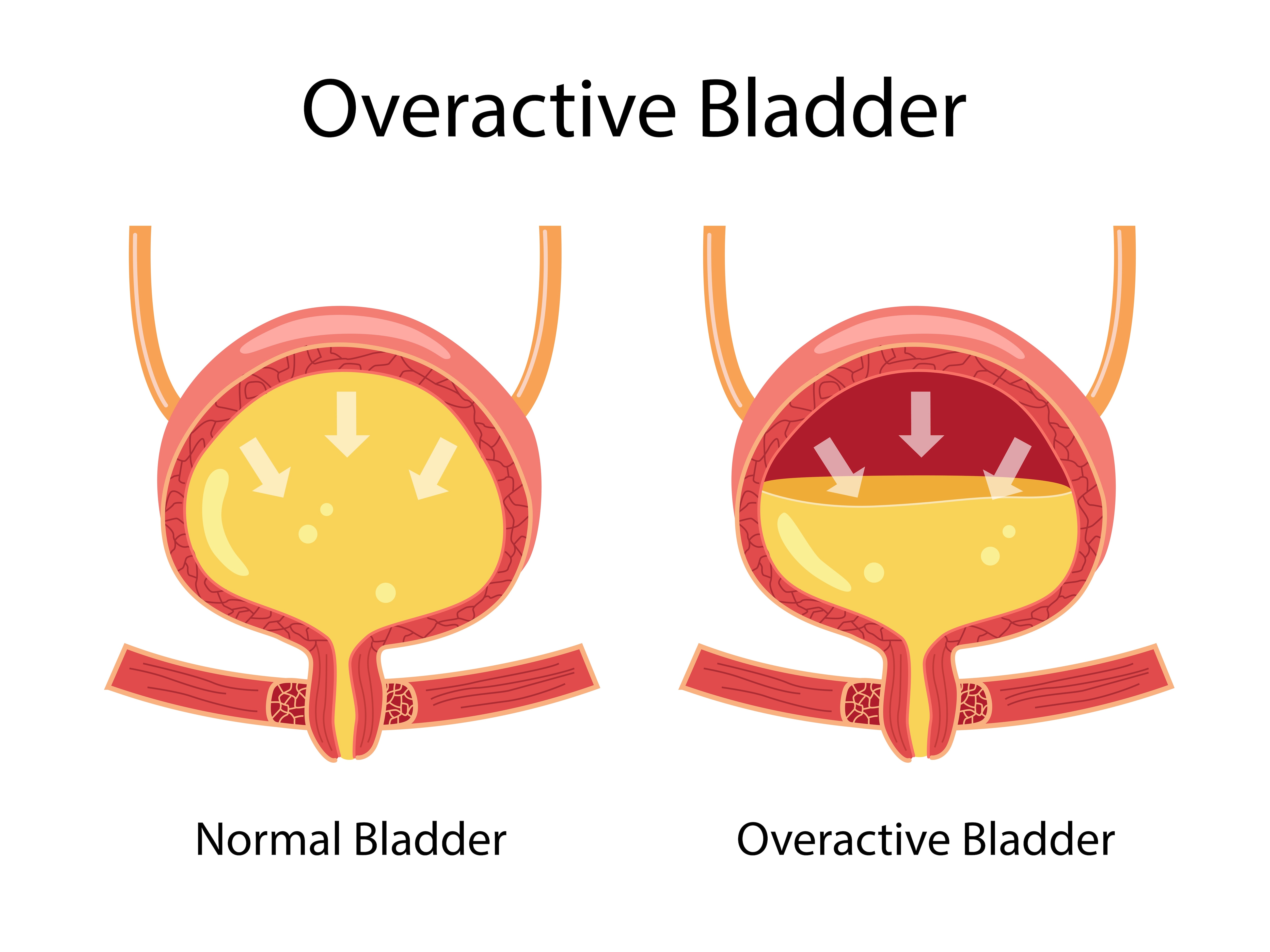
Frequent urination fits the pattern of overactive bladder when it occurs with urinary urgency: a sudden desire to urinate that is difficult to defer. You may also wake repeatedly at night, rush to a toilet, or experience urge urinary incontinence before reaching one.
These are the key overactive bladder symptoms, not the number of toilet visits alone.
Overactive bladder can occur without leakage, so staying dry does not rule it out. Urinating eight or more times in 24 hours is a useful prompt to assess the pattern, not a diagnosis. Some people void that often because they drink large volumes, consume caffeine, or take medicines that increase urine production.
A three-day bladder diary gives better evidence than counting trips from memory. Record each drink, voiding time, approximate urine volume, urgency, leakage, and any trigger.
Small amounts passed frequently suggest a different pattern from producing unusually large volumes, while repeated overnight urine production may indicate nocturnal polyuria rather than a bladder that is simply waking too easily.
Frequency alone does not prove overactive bladder because infection, diabetes, pregnancy, constipation, sleep problems, prostate obstruction, and other conditions can create similar symptoms. Assessment matters when frequency is persistent, urgency disrupts daily life, night waking is repeated, or leakage begins.
How to tell OAB symptoms from other causes
A three-day bladder diary usually separates OAB from excessive urine production. Record each drink, voiding time, approximate volume, urgency and leakage. Small volumes with sudden, difficult-to-defer urgency support OAB; large volumes after heavy or evening fluid intake point elsewhere.
- Caffeine and frequent urination often occur together, especially after coffee, tea, energy drinks or cola. Alcohol and excess evening fluids can also increase trips without indicating OAB.
- A urinary tract infection causes burning, pelvic discomfort, cloudy or strong-smelling urine, and sometimes fever or blood. New urgency with these symptoms needs urine testing.
- Diabetes and urination often involve unusually large volumes, marked thirst, fatigue or weight loss. Arrange blood-glucose testing rather than assuming a small, irritable bladder.
- Pregnancy can increase frequency through hormonal and pelvic pressure effects; a pregnancy test clarifies this possibility.
- Constipation can press on the bladder and worsen urgency. Anxiety may cause repeated “just in case” trips, often during stress, without leakage or infection.
- Diuretic medicines, including some blood-pressure tablets, increase urine production. Ask the prescriber whether timing explains the change; do not stop them yourself.
- BPH symptoms versus OAB are different: weak stream, straining, hesitancy, incomplete emptying and post-void dribbling suggest prostate or urethral obstruction. Sudden urgency with small voids fits OAB more closely.
OAB remains a diagnosis after infection, diabetes, obstruction and other obvious causes have been considered. One number, such as eight or more voids in 24 hours, cannot diagnose it alone.
Warning signs and the tests that clarify the cause
Visible blood in urine needs prompt medical assessment, even if it appears once or causes no pain. Painful urination and fever, especially with flank pain, can indicate an infection involving the kidney rather than uncomplicated bladder urgency.
Seek prompt care for:
- Inability to urinate or painful urinary retention
- Severe new pelvic or flank pain
- Repeated urinary infections
- New leg weakness, numbness, or loss of bowel control
A clinician will review your symptoms, fluid and caffeine intake, bowel habits, pregnancy possibility, medical conditions, and medicines such as diuretics. The examination may include the abdomen, pelvis, prostate, or a neurological assessment when your symptoms point in that direction. A bladder diary showing timings, volumes, urgency, leakage, drinks, and night-time trips adds useful evidence.
| Test | What it can show | When it applies |
|---|---|---|
| Urinalysis | Blood, glucose, white cells, or other clues to infection and diabetes | Basic initial assessment |
| Urine culture | The specific bacteria causing infection and which antibiotics may work | When urinalysis or symptoms suggest infection; it is not automatic for every patient |
| Ultrasound, cystoscopy, or urodynamic testing | Obstruction, structural disease, bladder function, or another explanation | Persistent, unclear, refractory, or complicated symptoms |
Clinicians diagnose uncomplicated overactive bladder only after considering these alternatives. Routine imaging, cystoscopy, and urodynamics are not needed at the first visit when the history and urinalysis are reassuring.
What treatment can involve, from bladder training to specialist options
Active treatment is justified when urgency, leakage, night waking or frequent toilet trips disrupt sleep, work, travel or sex, or persist despite sensible habit changes. A bladder diary helps judge progress; eight or more voids in 24 hours alone does not prove treatment is needed.
Start with measures that carry little risk:
- Bladder training uses scheduled trips and urge-suppression techniques to lengthen intervals gradually. It requires daily practice and can feel uncomfortable initially.
- Pelvic-floor muscle exercises can reduce urgency and leakage when performed correctly. A physiotherapist can check technique; repeated tightening without relaxation may worsen pelvic-floor tension.
- An OAB medication may be offered when behavioural treatment is insufficient. Antimuscarinic side effects include dry mouth, constipation, blurred vision and urinary retention; beta-3 agonists avoid those effects but can raise blood pressure and suit some people poorly.
- Botox, usually intradetrusor onabotulinumtoxinA, can help symptoms that remain troublesome after other treatment. It can cause urinary retention and urinary-tract infection, and some patients need temporary self-catheterisation.
- Nerve stimulation includes percutaneous tibial nerve stimulation and sacral neuromodulation. These can help refractory symptoms, but require repeated sessions or an implanted device, procedures and follow-up.
Reduce caffeine, treat constipation and lose weight when appropriate. Do not sharply restrict fluids: dehydration and constipation can make symptoms worse. Persistent symptoms after an adequate trial warrant review of the diagnosis, adherence, dose and other causes rather than indefinite escalation.
How to prepare for an appointment and decide your next step
Start with a three-day bladder diary rather than relying on memory. Record each voiding time, approximate urine volume, urgency, leakage, fluid type and amount, caffeine, evening drinks, and nocturia episodes. This shows whether you pass small amounts frequently or produce an unusually large volume of urine.
- Bring the diary and a complete medicine list, including diuretics, antihistamines, sedatives and supplements.
- Note when symptoms began, what worsens them, your bowel habits, painful urination, weak stream, straining or incomplete emptying.
- Bring urine-test results, blood-test reports, imaging, operation records and a list of treatments tried, including doses, duration, benefit and side effects.
- Ask whether you need a urine test, blood-glucose test, examination or post-void residual measurement to check for infection, diabetes or retained urine.
Specialist evaluation is useful when urgency or frequency persists after sensible fluid and caffeine adjustments, disrupts sleep or work, or remains unclear after initial checks. A urologist for overactive bladder can reassess the diagnosis instead of endlessly increasing medication, particularly when treatment fails or side effects limit it.
Dr Zaffar Sayed Urologist can also assess symptoms that overlap with prostate obstruction or urethral narrowing.
Seek prompt care for visible blood, fever with painful urination or flank pain, inability to urinate, severe new pain, repeated infections, leg weakness or loss of bowel control.
Frequently asked questions
When does frequent urination fit the pattern of overactive bladder?
It fits OAB when frequent urination occurs with a sudden, difficult-to-defer urge. Nighttime urination and urge incontinence can also occur.
How can you tell OAB symptoms from other causes?
Burning urination, blood in the urine, fever, pelvic or flank pain, excessive thirst, or leakage with coughing point to other causes that need assessment.
What warning signs require prompt medical evaluation?
Seek prompt care for blood in the urine, fever with urinary symptoms, severe flank pain, inability to pass urine, or sudden worsening symptoms.
What tests can clarify the cause of frequent or urgent urination?
A clinician may use your history, examination, urinalysis, urine culture, bladder diary, blood tests, ultrasound, or urodynamic testing when indicated.
What can treatment for overactive bladder involve?
Treatment can involve timed voiding, bladder training, fluid and caffeine changes, pelvic-floor therapy, medicines, and specialist procedures when needed.