Why Symptoms May Keep Returning
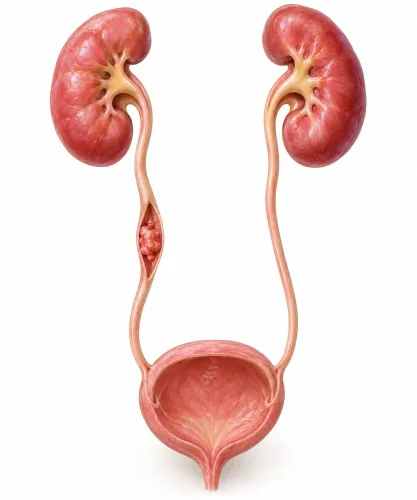
Urinary bladder stones are hard deposits that develop inside the bladder. They can cause urinary frequency, discomfort, difficulty passing urine, interruption of the urinary stream and sometimes blood in the urine.
An important point is that bladder stones are often associated with an underlying problem affecting bladder emptying. Treating the stone without addressing the reason it formed may increase the likelihood of recurrent symptoms or future stone formation.
How Do Bladder Stones Form?
Normally, the bladder stores urine and empties completely during urination.
When urine remains in the bladder for prolonged periods, minerals and other substances present in the urine can form crystals. These crystals may gradually grow into stones.
Incomplete bladder emptying may occur because of several conditions, including:
Prostate enlargement causing bladder outlet obstruction
Urethral narrowing or stricture
Bladder dysfunction
Neurogenic bladder
Foreign bodies or urinary devices in selected situations
Other causes of urinary obstruction
Identifying the underlying cause is therefore an important part of treatment.
What Symptoms Can Bladder Stones Cause?
Symptoms vary depending on the size and position of the stone and the underlying urinary condition.
Possible symptoms include:
Pain or burning while urinating
Frequent urination
Difficulty starting the urine stream
Intermittent urine flow
Lower abdominal discomfort
Blood in the urine
Urgency
A sensation of incomplete bladder emptying
Some bladder stones may cause few symptoms initially.
Why Can the Symptoms Keep Coming Back?
If the bladder continues to empty incompletely, urine may repeatedly remain inside the bladder.
This can create conditions in which further mineral deposits develop.
Therefore, when bladder stones are identified, the urologist may also assess why the bladder is not emptying normally.
This is particularly important in men with symptoms suggestive of prostate enlargement or bladder outlet obstruction.
Can Drinking More Water Remove a Bladder Stone?
Adequate hydration is generally beneficial for urinary health, but drinking more water does not reliably dissolve or remove an established bladder stone.
The appropriate treatment depends on the stone's size, location, composition when known, symptoms and the underlying urinary problem.
Some very small stones may pass spontaneously in selected circumstances, whereas larger or symptomatic stones may require a procedure.
What Happens If a Bladder Stone Is Left Untreated?
A persistent bladder stone can continue irritating the bladder and may contribute to:
Recurrent urinary symptoms
Repeated urinary infections
Blood in the urine
Difficulty passing urine
Bladder outlet obstruction
Continued bladder discomfort
The underlying cause of stone formation may also remain untreated.
When Should You See a Urologist?
Urological evaluation is appropriate when there is:
Persistent difficulty passing urine
Recurrent burning or painful urination
Blood in the urine
Repeated interruption of urine flow
Lower abdominal discomfort
A persistent sensation of incomplete bladder emptying
Recurrent urinary tract infections associated with urinary obstruction
For patients in Chembur and nearby areas of Mumbai, Dr Zaffar K. Sayed evaluates urinary symptoms, bladder stones and associated urinary obstruction and recommends investigations or treatment according to the individual clinical situation.
Key message
A bladder stone is sometimes only part of the problem.
Finding why the stone developed and whether the bladder is emptying properly is an important part of comprehensive treatment and may help reduce recurrence.
Keywords