A urinary tract infection (UTI) is one of the most common infections affecting the urinary system. While many infections are mild and respond well to treatment, frequent or severe UTIs should never be dismissed as a recurring inconvenience. Repeated infections may indicate an underlying problem within the urinary tract that requires specialist evaluation.
For people living in Mohammed Ali Road, understanding the causes, symptoms, and treatment options for urinary tract infections can help prevent complications and reduce the likelihood of recurrence. Prompt diagnosis not only relieves discomfort but also protects the kidneys and bladder from long-term damage.
What Is a Urinary Tract Infection?
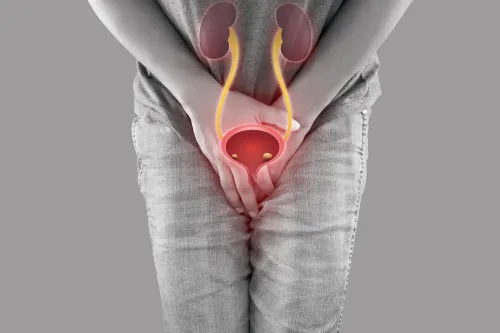
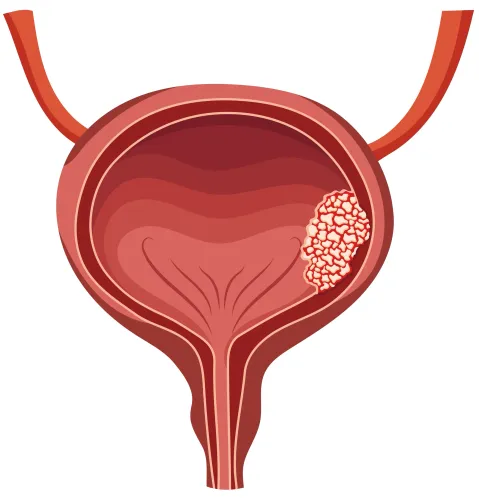
A urinary tract infection occurs when bacteria enter the urinary system and multiply. The infection can affect different parts of the urinary tract, including:
- The urethra
- The bladder
- The ureters
- The kidneys
Most infections begin in the lower urinary tract, particularly the bladder, but if left untreated, they can spread to the kidneys and become more serious.
Although UTIs are more common in women, men can also develop urinary tract infections, especially if they have prostate enlargement, kidney stones, urinary obstruction, or other urological conditions.
Common Symptoms of a Urinary Tract Infection
The symptoms depend on which part of the urinary tract is affected, but common signs include:
- A burning sensation while passing urine
- Frequent urge to urinate
- Passing only small amounts of urine at a time
- Cloudy or foul-smelling urine
- Lower abdominal discomfort
- Blood in the urine
- Fever and chills if the infection reaches the kidneys
Older adults may sometimes experience less typical symptoms such as confusion or general weakness, making early medical assessment even more important.
Why Do Some People Keep Getting UTIs?
While occasional infections are common, recurrent UTIs often point to an underlying issue that should be investigated.
Some possible causes include:
- Incomplete bladder emptying
- Kidney stones
- Enlarged prostate
- Urinary tract obstruction
- Diabetes
- Structural abnormalities of the urinary tract
- Weakened immune system
- Previous urinary tract surgery
- Long-term urinary catheter use
Simply treating the infection without identifying the underlying cause may lead to repeated episodes.
How Are Urinary Tract Infections Diagnosed?
Accurate diagnosis begins with understanding your symptoms and medical history.
Your urologist may recommend:
- Urine analysis
- Urine culture to identify the bacteria causing the infection
- Blood tests in selected cases
- Ultrasound of the kidneys and bladder
- CT scan when stones or obstruction are suspected
- Cystoscopy in patients with recurrent or complicated infections
These investigations help determine whether additional treatment is required beyond antibiotics.
Treatment Options
Treatment depends on the severity of the infection and whether any underlying urological condition is present.
Antibiotics
Most bacterial urinary tract infections respond well to antibiotics prescribed according to urine culture results whenever possible.
Completing the entire course of medication is essential, even if symptoms improve earlier.
Hydration
Drinking adequate fluids helps flush bacteria from the urinary system and supports recovery.
Pain Relief
Your doctor may recommend medications to relieve discomfort while the infection is being treated.
Treating the Root Cause
If kidney stones, bladder outlet obstruction, enlarged prostate, or another structural problem is contributing to recurrent infections, addressing that condition becomes an important part of long-term management.
Can Urinary Tract Infections Be Prevented?
Although not every infection can be prevented, several healthy habits may reduce the risk.
These include:
- Drinking sufficient water throughout the day
- Avoiding prolonged delay in passing urine
- Maintaining good personal hygiene
- Managing diabetes effectively
- Following medical advice after urinary procedures
- Seeking treatment promptly when symptoms appear
For individuals with recurrent infections, a specialist may recommend additional preventive strategies based on their medical history.
When Should You See a Urologist?
Medical evaluation becomes particularly important if:
- You develop frequent urinary tract infections.
- Symptoms return soon after completing treatment.
- There is blood in the urine.
- Fever accompanies urinary symptoms.
- Kidney stones are suspected.
- You have difficulty passing urine.
- You have diabetes or another chronic medical condition.
These situations may require further investigation to prevent repeated infections and long-term urinary tract damage.
Why Specialist Care Makes a Difference
Recurrent urinary tract infections often require more than repeated courses of antibiotics. A detailed evaluation can identify hidden causes that may otherwise remain untreated.
Dr. Zaffar Sayed Urologist provides comprehensive assessment for patients experiencing urinary tract infections, particularly those with recurrent symptoms or associated urinary disorders. By combining detailed clinical evaluation with appropriate investigations, treatment focuses not only on eliminating the current infection but also on reducing the chances of future recurrence.
Protecting Your Urinary Health
A urinary tract infection should never be ignored, especially when infections occur repeatedly or are accompanied by severe symptoms. Early diagnosis allows for timely treatment and helps prevent complications involving the bladder and kidneys.
For individuals seeking expert evaluation in Mohammed Ali Road, consulting an experienced urologist ensures that urinary tract infections are investigated thoroughly, treated appropriately, and managed with a personalised approach that supports long-term urinary health.
Keywords