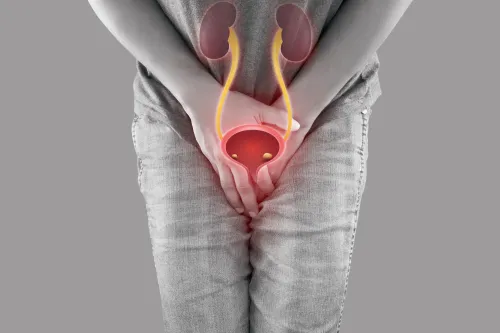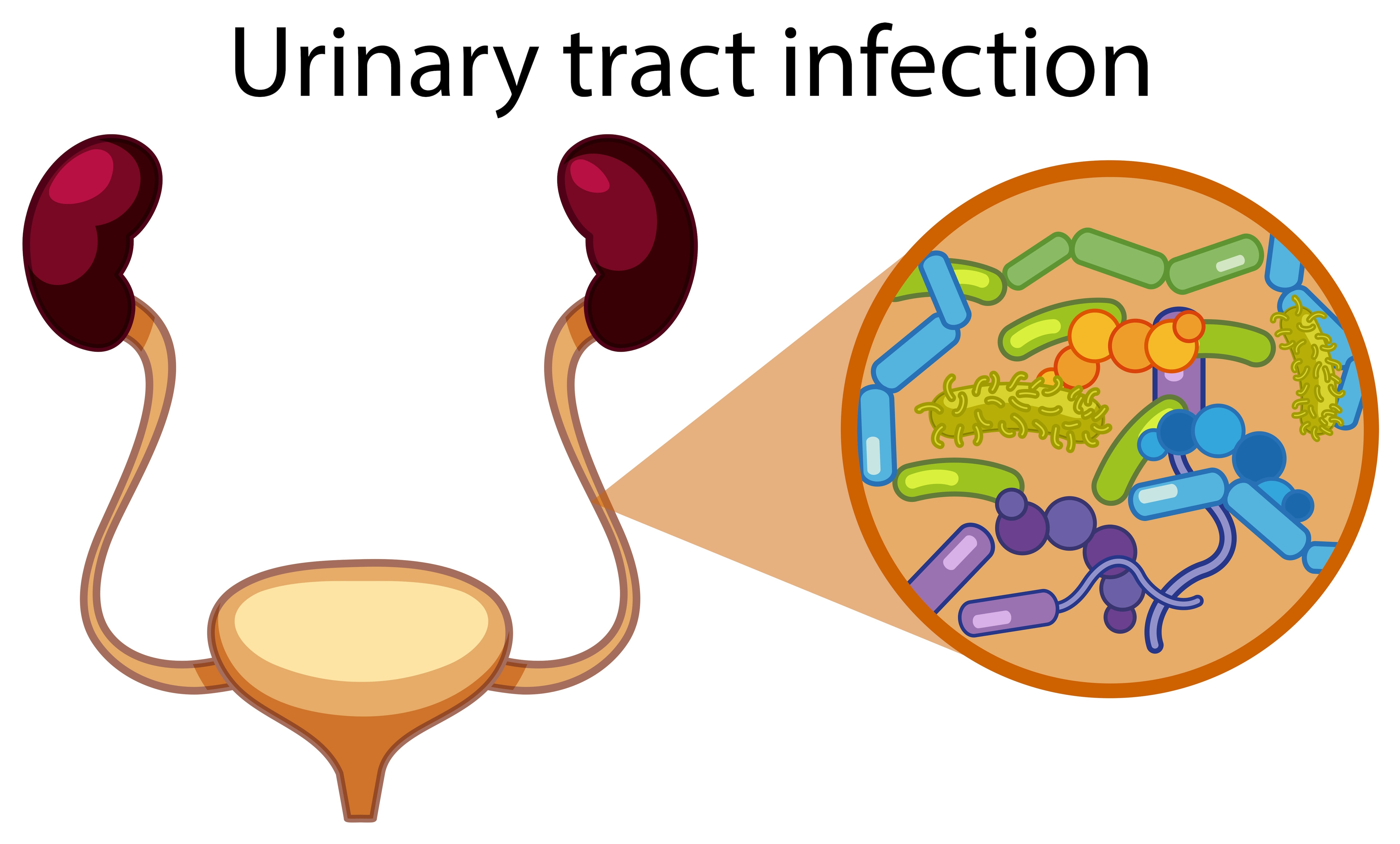
Repeated burning, urgency or frequent urination does not always mean the same infection has returned. You will learn how to distinguish relapse from reinfection, confirm whether bacteria are present, reduce avoidable recurrences and recognise when a blockage, stone, prostate problem or another condition needs investigation.
Key takeaways
- Recurrent UTI means two culture-supported infections in six months or three in 12 months.
- Confirm repeated symptoms with urine testing before assuming another infection.
- Review hydration, urination habits, sexual triggers and contraception choices.
- Investigate blockage or structural problems when infections persist or warning signs appear.
What counts as a recurrent UTI, and why can it return?
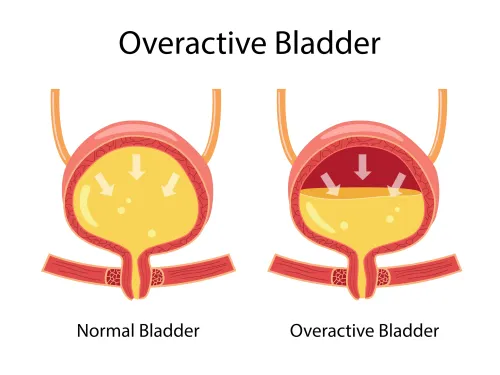
A recurrent UTI definition is two symptomatic, medically diagnosed, culture-supported episodes within six months, or three UTIs in 12 months. Do not count every bout of burning or urgency: vaginitis, sexually transmitted infections, urethral irritation, bladder pain syndrome and overactive bladder can feel similar.
A new episode can follow because of:
- Incomplete treatment or antibiotic resistance, which lets the original infection persist
- A different organism after sexual activity or spermicide use
- Menopause-related vaginal changes, pregnancy or diabetes
- Constipation, urinary retention or catheter use
- A urinary stone or obstruction that prevents drainage
Relapse versus reinfection depends on whether the first infection cleared.
| Type | Meaning | What it can indicate |
|---|---|---|
| Relapse | Symptoms return soon after treatment because the original organism persisted | Incomplete treatment, antibiotic resistance, prostatitis, a stone or impaired drainage |
| Reinfection | A new infection develops after the original infection cleared | A different organism or a recurring trigger such as intercourse or spermicide |
A relapse soon after treatment deserves more than another unplanned antibiotic course. An untreated focus, including bacterial prostatitis in a man, a stone or impaired drainage from obstruction, can keep reseeding the urinary tract. Reinfection is a separate episode, but repeated reinfections still warrant culture-supported assessment to identify preventable triggers and underlying risk factors.
How do you confirm that repeated urinary symptoms are really a UTI?
A positive dipstick or familiar burning does not prove recurrent UTI. Urinalysis, urine culture and sensitivity, including antibiotic-susceptibility testing, should be obtained before treatment whenever feasible; this confirms bacteria and guides the drug.
1. Record each episode’s onset date, fever, flank pain, visible blood, pregnancy status, prior antibiotics, culture results, stone history, catheter use and timing since the previous episode. Bring this record to your appointment.
2. Ask for a UTI differential diagnosis. Vaginitis, sexually transmitted infections, bladder pain syndrome, pelvic-floor or urethral irritation, overactive bladder and stones can all cause burning, urgency or frequency without infection.
3. Do not use leftover antibiotics, change treatment without advice or repeat brief courses automatically. These choices cause side effects, disrupt normal flora and drive antibiotic resistance while allowing prostatitis, stones or obstruction to persist.
4. Assessment depends on the patient. Clinicians consider pregnancy and vaginal causes in women, while recurrent UTI in men requires attention to bacterial prostatitis, urinary retention, obstruction and stones. Children, older adults and catheter users need assessment based on age, symptoms and catheter findings rather than urine bacteria alone.
5. Seek prompt care for fever, flank pain, vomiting, visible blood, confusion, severe weakness, pregnancy, immunosuppression or difficulty passing urine. These signs can indicate kidney infection, sepsis or obstruction and need more than self-treatment.
Which everyday prevention measures are worth trying?
Drink enough fluid to avoid dehydration within your own health limits, and urinate when you need to rather than holding it for hours. Treat constipation, and stop using spermicides if episodes follow their use. If intercourse is a clear trigger, discuss post-coital strategies with a clinician rather than taking leftover antibiotics.
| Measure | What the evidence says | Practical step |
|---|---|---|
| Hydration and bladder habits | Helpful when they prevent dehydration and prolonged holding; excessive fluid is not better | Drink to your usual health needs and do not force fluids |
| Post-coital prevention | A clear intercourse link can justify a clinician-planned strategy | Ask whether a single post-coital antibiotic dose or another plan fits |
| Vaginal estrogen | Local vaginal estrogen reduces recurrences after menopause; it is not systemic menopausal hormone therapy | Request a review of unexplained bleeding, contraindications and the specific formulation |
| Cranberry for UTI prevention | Products differ in formulation and proanthocyanidin content; one product’s evidence cannot be applied to all | Treat cranberry as optional prevention, never active-infection treatment |
| D-mannose and probiotics | A 2024 trial of 598 women found 2 g of D-mannose daily did not significantly reduce medically attended or suspected UTIs; probiotic evidence remains limited | Do not substitute either for culture-directed care |
Cranberry does not treat fever, flank pain or a symptomatic infection. Seek testing and prescribed treatment instead, especially when episodes recur; supplements should not delay urine culture or appropriate care.
How should you compare medical prevention options?
The best option depends on your recurrence pattern, ability to recognise typical symptoms, menopause status and previous culture results.
| Option | What it means | When it applies |
|---|---|---|
| Self-start UTI treatment | A clinician-supplied short course started at familiar symptoms | You reliably recognise your usual episodes and can provide a urine culture for review |
| Post-coital antibiotics | One antibiotic dose after intercourse | Episodes have a clear intercourse link |
| Continuous antibiotic prophylaxis | A low-dose antibiotic taken regularly for a defined period | Recurrences continue despite other measures, without a single predictable trigger |
| Methenamine hippurate | An antibiotic-sparing urinary antiseptic | Some women with recurrent uncomplicated UTI who want to avoid daily antibiotics |
| Vaginal estrogen | Local estrogen applied inside the vagina | Mainly after menopause, after review of unexplained bleeding, contraindications and the specific product |
Antibiotic prevention can reduce episodes, but it can also cause adverse effects and select resistant bacteria. The prescription must reflect your prior cultures, local resistance patterns, kidney function, pregnancy possibility and the toxicity of the proposed drug; repeating the same antibiotic by default is poor practice.
Methenamine hippurate was slightly less effective numerically in the 12-month ALTAR trial: 1.38 versus 0.89 symptomatic, antibiotic-treated episodes per person-year with daily antibiotics. It still met the trial’s non-inferiority criterion.
If symptoms return during treatment or soon afterward, do not change the drug yourself. Request reassessment, urinalysis and a repeat culture with sensitivity.
When do recurrent UTIs require tests for a blockage or another structural cause?
Typical recurrent uncomplicated cystitis does not automatically require ultrasound, CT or cystoscopy. Recurrent UTI imaging becomes relevant when the pattern suggests a source that antibiotics alone will not remove.
1. Repeat urinalysis and urine culture, with antibiotic sensitivity testing, help distinguish relapse from reinfection and show whether an unusual organism persists. Allow time for results before changing treatment when you are stable.
2. Ask about imaging for visible blood, persistent microscopic blood, recurrent kidney infection, poor response to appropriate antibiotics, ongoing symptoms, suspected stones, obstruction or incomplete emptying. Fever, flank pain, vomiting or systemic illness needs prompt assessment.
3. A post-void residual uses a bladder scan after urination to measure retained urine. Uroflowmetry records flow speed and pattern; together, they can point to retention, urethral narrowing or prostate-related obstruction.
4. Ultrasound can assess the kidneys, bladder, residual urine and dilation from blocked drainage. CT gives more detail for stones or complicated obstruction, while cystoscopy for recurrent UTI allows direct inspection of the urethra and bladder.
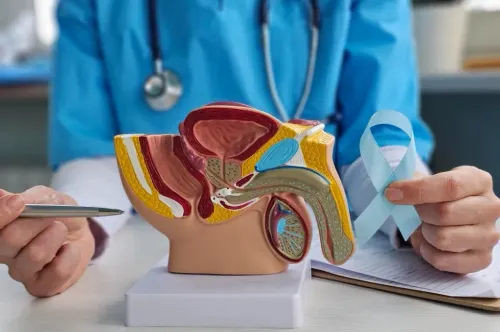
Treatment depends on the finding. Medication may improve prostate-related obstruction, catheter management may address retention, and stone treatment or another procedure may restore drainage. Surgery is not the first choice when infection can be controlled without correcting an obstruction.
Plan for repeat cultures, imaging appointments, specialist review and follow-up; recovery after a procedure depends on what is treated. Dr Zaffar Sayed Urologist provides focused evaluation when recurrence suggests retention, stones, obstruction, prostatitis or another structural problem.
Related services
Urethral Stricture refers to any narrowing of the urethra for any reason whether or not it actually impacts the flow of urine out of the bladder. View service → |
Kidney Stone Treatment Kidney stones can be as small as a grain of sand or as large–sometimes larger to an extent that it measures more than 5 cm in size. View service → |
Frequently asked questions
What counts as a recurrent UTI?
Recurrent UTI means two symptomatic, medically diagnosed, culture-supported episodes within six months, or three within 12 months.
How can you confirm that repeated urinary symptoms are really a UTI?
Use a urine test and culture during symptoms. Burning and urgency can also result from vaginitis, sexually transmitted infections, urethral irritation, bladder pain syndrome or overactive bladder.
Which everyday measures can help prevent recurrent UTIs?
Review hydration, avoid delaying urination, urinate after sex if it helps you, and discuss spermicide or diaphragm use if infections follow those exposures.
When do recurrent UTIs require tests for blockage or another structural cause?
Ask a urologist about further testing when infections persist despite appropriate treatment, cultures show unusual organisms, blood continues in the urine, or symptoms suggest obstruction, stones or poor bladder emptying.
Related service
Prostate Enlargement (BPH) The prostate is a small organ normally about the size of a walnut. View service → |