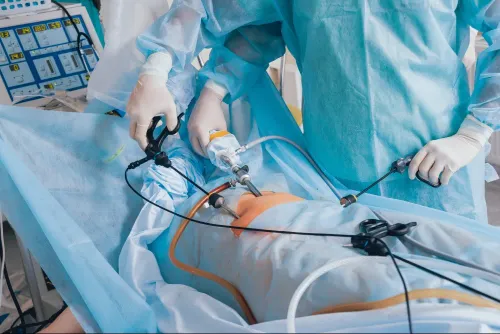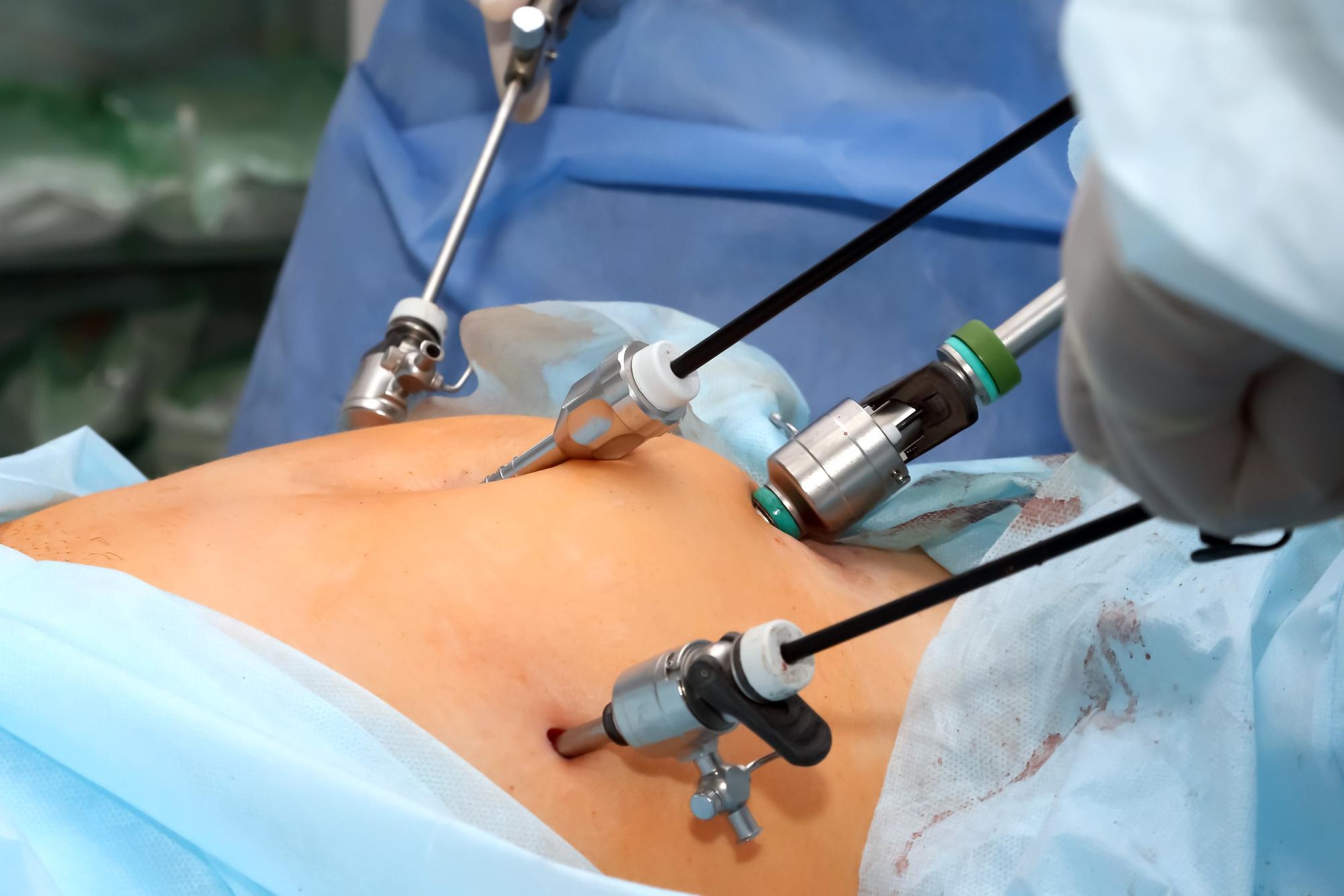
Keyhole surgery is a commonly used term for minimally invasive surgery performed through small access points using specialised instruments and a camera. It may be suitable for selected urological conditions, but it is not appropriate for every patient or every operation.
Before agreeing to surgery, patients should understand the diagnosis, why the procedure is recommended, available alternatives, potential risks, expected recovery and whether a minimally invasive approach is suitable in their individual situation.
What Is Keyhole Surgery?
“Keyhole surgery” is a patient-friendly term generally used to describe minimally invasive surgical techniques.
Depending on the procedure, access may be obtained through small incisions or other minimally invasive routes. A camera and specialised instruments allow the surgeon to visualise and treat the relevant area.
In urology, the exact technique depends on the condition being treated.
Depending on the diagnosis, treatment may involve:
- Endoscopic surgery
- Laparoscopic surgery
- Robot-assisted surgery
- Another minimally invasive procedure
- Open surgery
- Non-surgical management
Therefore, the term “keyhole surgery” alone does not determine whether a particular procedure is appropriate.
The First Question: Do I Actually Need Surgery?
Before discussing the surgical technique, it is important to understand the diagnosis and whether an operation is necessary.
Depending on the condition, the urologist may consider:
- Symptoms and their duration
- Physical examination
- Imaging findings
- Laboratory investigations
- Previous treatment
- Medical history
- Previous operations
- Current medications
- Overall health
- Patient preferences and treatment goals
Some urological conditions can be managed with observation, medication or other non-operative approaches.
If surgery is recommended, the reason for surgery should be clearly explained.
Why Has a Minimally Invasive Approach Been Recommended?
A useful discussion should explain why the proposed technique is appropriate for the particular patient.
Patients may ask:
- What is the diagnosis?
- What is the objective of the procedure?
- Why is this surgical approach suitable?
- What are the alternatives?
- What are the important risks?
- Could the surgical plan change during the procedure?
- What type of anaesthesia will be required?
- How long might hospital observation be necessary?
- What should I expect during recovery?
These questions can help establish realistic expectations before treatment.
Is Keyhole Surgery Suitable for Everyone?
No.
Suitability depends on the specific condition and the individual patient.
Factors that may influence the choice of surgical approach include:
- Location and extent of the disease
- Anatomical considerations
- Previous abdominal or pelvic surgery
- Other medical conditions
- Previous treatments
- Complexity of the procedure
- Anaesthetic considerations
- Surgical expertise and available facilities
- Whether the minimally invasive approach can achieve the intended treatment safely
For certain urological cancers, the priority is adequate cancer control. A minimally invasive approach should not be selected if it would compromise appropriate oncological, functional or perioperative outcomes.
This principle is reflected in disease-specific EAU guidance. 'EAU Guidelines' (https://reference-url-citation.invalid/0)
What Are the Possible Benefits?
For appropriately selected procedures, minimally invasive surgery may provide advantages compared with some open approaches.
Depending on the operation, potential benefits may include:
- Smaller incisions
- Less incision-related discomfort
- Earlier mobilisation
- Shorter hospitalisation in some procedures
- Smaller scars
- Potentially faster return to normal activities
However, these are potential benefits and should not be presented as guaranteed outcomes.
Recovery depends on the specific operation, the patient's health, the complexity of the procedure and individual healing.
Does “Keyhole” Mean a Minor Operation?
Not necessarily.
A procedure performed through small incisions can still be a major operation.
The size of the external incision does not by itself determine:
- The complexity of the operation
- The potential complications
- The duration of recovery
- The need for hospitalisation
- The level of postoperative monitoring
Patients should therefore ask about the actual procedure being planned, rather than relying only on the term “keyhole surgery.”
What Should Be Done Before Surgery?
Preoperative assessment is an important part of safe surgical care.
Depending on the procedure and individual circumstances, this may include:
- Review of medical history
- Physical examination
- Review of imaging
- Blood investigations
- Urine testing when indicated
- Medication review
- Anaesthetic assessment
- Assessment of relevant medical conditions
- Individual perioperative risk assessment
Patients should provide an accurate list of all prescription medicines, over-the-counter medicines, supplements and known allergies.
NICE guidance recommends appropriate preoperative assessment and risk evaluation before surgery. 'NICE: Perioperative Care in Adults' (https://reference-url-citation.invalid/1)
What If I Take Blood-Thinning Medicines?
Patients taking medicines that affect blood clotting should inform their treating doctor and anaesthesia team before surgery.
Do not stop aspirin, anticoagulants or other prescribed medicines on your own.
Whether a medication should be continued, temporarily withheld or otherwise adjusted depends on the individual medication, the planned operation and the patient's risks.
Can the Surgical Plan Change During the Operation?
Sometimes.
The final surgical approach may need to be modified if the surgeon encounters circumstances that make the originally planned technique unsuitable or unsafe.
Depending on the procedure, this may include conversion from a minimally invasive approach to an open approach or modification of the planned procedure.
This possibility does not mean that a complication is expected.
It is simply part of informed preoperative discussion for procedures where such a change may reasonably be required.
Patients should be informed about this possibility when relevant to their planned operation.
What Should I Know About Recovery?
Minimally invasive surgery does not eliminate the body's need to heal.
Patients should ask specifically about:
- Expected hospital stay
- Pain management
- Wound care
- Catheter or drain care, if applicable
- Walking and mobilisation
- Driving
- Returning to work
- Lifting restrictions
- Exercise
- Sexual activity, where relevant
- Follow-up appointments
There is no single recovery timeline for all keyhole procedures.
The expected recovery should therefore be discussed according to the specific operation, rather than simply being based on the fact that small incisions are used.
What Symptoms After Surgery Need Medical Attention?
Every patient should receive procedure-specific postoperative instructions before discharge.
Depending on the operation, symptoms requiring prompt medical assessment may include:
- Significant or persistent bleeding
- Severe or worsening pain
- High fever or chills
- Difficulty breathing
- Chest pain
- Fainting or severe weakness
- Persistent vomiting or inability to maintain fluids
- Increasing abdominal swelling
- Unexpected inability to pass urine
- Any rapidly worsening or concerning postoperative symptom
The appropriate response depends on the operation and the individual patient's circumstances.
What About Alternatives to Keyhole Surgery?
A balanced surgical discussion should include reasonable alternatives.
Depending on the condition, these may include:
- Observation
- Medication
- Endoscopic treatment
- Laparoscopic surgery
- Robot-assisted surgery
- Open surgery
- Other disease-specific procedures
Not every alternative will be appropriate for every patient.
The purpose of discussing alternatives is to allow the patient to understand the available options before making an informed decision.
NICE guidance on shared decision-making supports discussion of treatment options, benefits, risks and consequences so that patients can participate meaningfully in decisions about their care. 'NICE: Shared Decision Making' (https://reference-url-citation.invalid/2)
When Is a Urological Surgical Consultation Useful?
A specialist consultation may be appropriate when:
- A urological condition has already been diagnosed
- Imaging has identified a problem that may require surgery
- Conservative treatment has not provided adequate control
- Another doctor has recommended an operation
- You want to understand whether minimally invasive treatment is appropriate
- You want to discuss available surgical approaches
- You would like a specialist or second opinion before treatment
A surgical consultation does not automatically mean that surgery will be recommended.
The purpose is to understand the diagnosis, determine whether intervention is appropriate and discuss the most suitable treatment options.
Choosing a Urologist for Keyhole Surgery
When choosing a surgeon, patients may reasonably consider:
- Expertise relevant to the diagnosed condition
- Experience with the specific procedure being proposed
- Understanding of alternative treatment approaches
- Availability of appropriate perioperative support
- Clear communication about benefits and risks
- Postoperative follow-up and continuity of care
The important question is not simply:
“Does the surgeon perform keyhole surgery?”
A more useful question is:
“Does the surgeon have appropriate expertise in treating my particular condition, and is this surgical approach suitable for me?”
Key Message
Keyhole surgery can be an effective minimally invasive option for selected urological conditions, but it is not automatically the best approach for every patient.
A well-informed decision should be based on the diagnosis, indication for surgery, available alternatives, individual risks, expected benefits, relevant surgical expertise and recovery requirements.
Before proceeding, patients should feel comfortable asking questions and understanding why a particular procedure has been recommended.
Local Relevance
For patients in Sion and surrounding areas of Mumbai, specialist urological assessment can help determine whether a minimally invasive, endoscopic, laparoscopic, robotic or open approach is appropriate for the diagnosed condition.
Dr Zaffar K. Sayed – Consultant Urologist, Andrologist & Uro-Oncosurgeon provides evaluation and treatment planning for urological conditions requiring consideration of surgical or minimally invasive treatment.
The recommended procedure depends on the individual diagnosis, clinical findings, imaging, medical history and other relevant considerations
Keywords