Laparoscopic surgery is a minimally invasive surgical approach used for selected urological conditions. Whether it is appropriate depends on the diagnosis, the patient's health, the anatomy involved, the complexity of the procedure and the surgeon's expertise.
The aim should not simply be to choose the smallest incision. The appropriate surgical approach is the one that provides a safe and effective treatment while considering the patient's individual circumstances and expected outcomes.
What Is Laparoscopic Surgery?
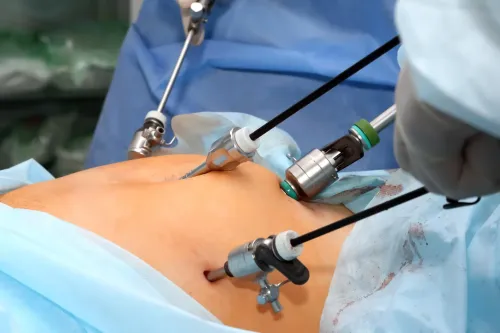
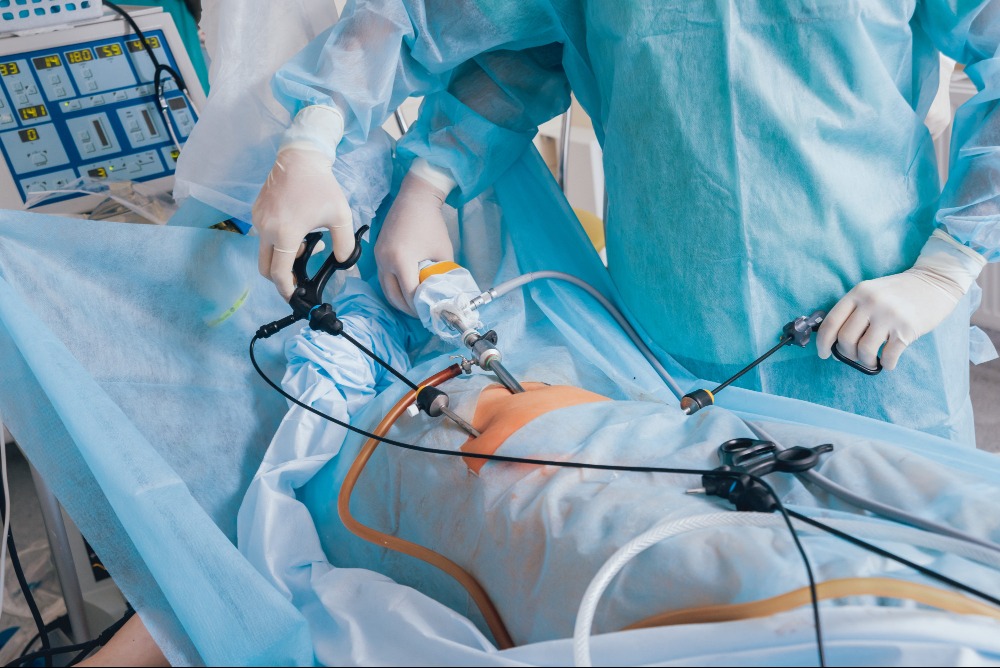
Laparoscopic surgery is performed through small incisions using specialised instruments and a camera to provide visualisation inside the abdomen or pelvis.
Depending on the condition, laparoscopic or other minimally invasive techniques may be considered for selected urological procedures.
The appropriate approach may be:
- Laparoscopic
- Robot-assisted
- Endoscopic
- Open surgery
- Another procedure
- Or, in some situations, no surgery at all
The choice depends on the individual clinical situation.
Minimally invasive does not automatically mean better for every patient or every operation.
Start With the Diagnosis
Before discussing the surgical technique, the underlying condition needs to be clearly assessed.
A urologist may review:
- Symptoms and clinical history
- Physical examination
- Imaging findings
- Laboratory investigations
- Previous treatments
- Previous operations
- Current medications
- Other medical conditions
- Anaesthetic and surgical considerations
The first question should therefore be:
Is an operation actually required?
If surgery is appropriate, the next question is which surgical approach provides the most suitable balance of effectiveness, safety and recovery for that particular patient.
Is Laparoscopic Surgery Suitable for Everyone?
No.
A minimally invasive approach may be appropriate for some patients but unsuitable for others.
Factors that can influence the decision include:
- The type of urological condition
- Location and size of the disease
- Anatomical considerations
- Previous abdominal or pelvic surgery
- Other medical conditions
- Previous treatment
- Surgical complexity
- The surgeon's experience with the procedure
- Anaesthetic considerations
- Whether minimally invasive surgery can achieve the intended clinical outcome safely
For certain urological cancers, for example, the choice of surgical approach must not compromise cancer control or functional outcomes. EAU guidance specifically advises against minimally invasive surgery when it could compromise oncological, functional or perioperative outcomes.
What Are the Possible Benefits?
For appropriately selected procedures, laparoscopic surgery may offer potential advantages compared with some open surgical approaches.
Depending on the operation and the individual patient, these may include:
- Smaller surgical incisions
- Less incision-related discomfort
- Earlier mobilisation
- Shorter hospital stay in some procedures
- Smaller scars
- Potentially faster recovery
However, these are potential advantages, not guarantees.
Recovery depends on the specific operation, the patient's general health, the complexity of the procedure and individual healing.
Are There Any Limitations or Risks?
Yes.
Laparoscopic surgery is still major surgery when performed for a major urological condition.
Potential risks depend on the specific procedure and can include:
- Bleeding
- Infection
- Injury to surrounding organs or structures
- Anaesthetic complications
- Blood clots
- Urinary complications
- Need for additional treatment or intervention
- Conversion to open surgery when required for safety or adequate treatment
The actual risks vary considerably between procedures.
Patients should therefore receive procedure-specific information rather than relying on general claims about laparoscopic surgery.
Why Surgeon and Procedure-Specific Experience Matters
The term “laparoscopic surgery” covers many different operations.
Experience with one laparoscopic procedure does not necessarily mean equivalent experience with every other procedure.
When discussing surgery, patients may reasonably ask about:
- The exact operation being proposed
- Why it is being recommended
- Why a laparoscopic approach is appropriate
- The surgeon's experience with that procedure
- Alternative approaches
- Important procedure-specific risks
- Expected hospital stay
- Recovery requirements
- Follow-up arrangements
The objective is not simply to select a surgeon who offers laparoscopy, but to identify an appropriate surgeon and treatment pathway for the diagnosed condition.
What Should Be Discussed Before Surgery?
A proper preoperative discussion should explain:
- The diagnosis
- The purpose of surgery
- Expected benefits
- Important risks and complications
- Alternatives to the proposed procedure
- The option of not proceeding with treatment when clinically appropriate
- Type of anaesthesia
- Expected hospital stay
- Possible need for drains, catheters or stents depending on the operation
- Expected recovery
- Follow-up requirements
NICE guidance on shared decision-making recommends discussing the aims, benefits, risks and consequences of available options so that patients can participate meaningfully in decisions about their care.
Preoperative Assessment Is an Important Part of Surgery
Preparation does not begin on the day of the operation.
Depending on the procedure and the patient's health, preoperative assessment may include:
- Review of medical history
- Medication review
- Blood investigations
- Urine testing when indicated
- Review of imaging
- Anaesthetic assessment
- Cardiovascular or other medical evaluation when required
- Assessment of individual perioperative risk
- Advice regarding smoking, alcohol and other modifiable factors
NICE recommends structured assessment of perioperative risk alongside clinical judgement when planning surgery.
Patients should provide accurate information about prescription medicines, over-the-counter medicines, supplements, allergies and previous operations.
What About Blood Thinners and Other Medicines?
Patients taking medicines that affect bleeding or other aspects of surgery should inform the treating doctor and anaesthesia team.
Medicines should not be stopped or changed independently.
The decision about whether and when a medicine should be continued, temporarily withheld or modified depends on the medication, the operation and the patient's individual risks.
What Can I Expect After Laparoscopic Surgery?
Recovery depends on the specific operation.
Patients may receive instructions regarding:
- Mobilisation
- Diet
- Wound care
- Catheter or drain care when applicable
- Pain management
- Medication
- Activity restrictions
- Driving
- Returning to work
- Exercise
- Sexual activity when relevant
- Follow-up appointments
There is no single recovery period that applies to every laparoscopic urological procedure.
A procedure-specific recovery plan is therefore more useful than a generic promise of rapid recovery.
What If Open Surgery Is Recommended Instead?
Open surgery should not automatically be considered an inferior option.
In some situations, open surgery may provide the most appropriate or safest route to achieve the required treatment.
The surgical approach should be selected according to the disease and patient rather than solely according to the size of the incision.
The EAU specifically emphasises that minimally invasive surgery should not be used when doing so could compromise important oncological, functional or perioperative outcomes.
When Is a Urological Surgical Consultation Useful?
A specialist consultation may be appropriate when:
- Imaging has identified a urological condition that may require surgery
- Surgery has already been recommended
- You want to understand whether a minimally invasive approach is appropriate
- You would like to discuss laparoscopic, robotic, endoscopic or open approaches
- Previous treatment has not adequately addressed the condition
- You would like another specialist opinion
- You need procedure-specific information before making a treatment decision
A consultation does not automatically mean that surgery will be recommended.
The purpose is to establish the diagnosis, assess treatment options and determine the most appropriate next step.
Questions You Can Ask Your Urologist
Before agreeing to surgery, patients may find it helpful to ask:
1. What is my diagnosis?
2. Is surgery necessary in my situation?
3. What is the goal of the operation?
4. Why is this surgical approach being recommended?
5. What are the alternatives?
6. What are the important risks and possible complications?
7. What should I expect during recovery?
8. What follow-up will be required?
9. What happens if the planned minimally invasive approach cannot safely complete the operation?
These questions can help patients participate in informed decision-making.
When Should Surgery Be Postponed or Reassessed?
Elective surgery may sometimes need additional medical assessment or optimisation before proceeding.
Examples can include:
- An uncontrolled medical condition
- Significant infection
- Medication-related concerns
- Anaesthetic concerns
- Abnormal investigations requiring clarification
- A need for further imaging or diagnostic information
This does not necessarily mean surgery is inappropriate. It may simply mean that additional preparation is required to improve safety.
Red Flags After Surgery
Patients should follow the specific discharge instructions provided after their operation.
Depending on the procedure, urgent medical assessment may be required for symptoms such as:
- Significant or persistent bleeding
- Severe or rapidly worsening pain
- High fever or chills
- Difficulty breathing
- Chest pain
- Fainting or severe weakness
- Persistent vomiting or inability to maintain fluids
- Sudden marked abdominal swelling
- Inability to pass urine when this is unexpected
- Any rapidly worsening or concerning postoperative symptom
The appropriate response depends on the operation and the patient's circumstances.
Laparoscopic Urology in Wadala and Mumbai
For patients in Wadala and surrounding areas of Mumbai, a specialist urological consultation can help determine whether a laparoscopic or another surgical approach is appropriate for the diagnosed condition.
Dr Zaffar K. Sayed – Consultant Urologist, Andrologist & Uro-Oncosurgeon provides evaluation and treatment planning for urological conditions requiring consideration of surgical or minimally invasive approaches.
The recommended treatment and surgical technique depend on the individual diagnosis, clinical findings, imaging, overall health and procedural considerations.
Key Message
Laparoscopic surgery is a surgical approach, not a treatment that is automatically appropriate for every urological condition.
The most important considerations are the correct diagnosis, whether surgery is required, which approach is appropriate, the expected benefits and risks, the surgeon's relevant expertise, and the patient's individual circumstances.
A well-informed decision involves discussing the available options, alternatives, risks, expected recovery and follow-up before proceeding.
Keywords